

ADM33051E
新規設計に推奨±60Vの故障保護機能を備えた、3.3V、±20kV ESD、高速CAN FDトランシーバ
製品情報
- ±60Vまでの過電圧故障から保護
- 電源電圧:3.3V
- 高速CAN FD動作:最大2Mbps
- ESD保護:±20kV(インターフェース・ピン)、±8kV(その他すべてのピン)
- アクティブ対称性制御と低電磁放射(EME)用SPLITピンを備えた可変スルー・レート・ドライバ
- 拡張コモン・モード電圧範囲(±25V)
- 電源オフ時のCANバスに対する理想的な受動動作
- サーマル・シャットダウン機能付き電流制限ドライバ
- パワーアップ/パワーダウン時、グリッチ・フリーのドライバ出力
- 1μA(代表値)のマイクロパワー・シャットダウン・モード
- 送信データ(TXD)ドミナント・タイムアウト機能
- ISO 11898-2およびCAN FD準拠
- 動作温度範囲:-40°C~+125°C
- 8ピンSOパッケージ
ADM33051Eは、3.3V電源で動作する、堅牢で高速かつ低消費電力のCANトランシーバです。ADM33051Eは、電源オフを含むすべての動作モードにおいて、データ伝送ラインに±60Vの過電圧故障保護機能を備えています。最大2Mbpsのデータ・レートによって、データ・レートが可変のCAN物理層(CAN FD)に基づく高速プロトコルをサポートします。強化されたESD保護により、デバイスのトランシーバ・インターフェース・ピンで、ラッチアップや損傷なしで最大±20kVの人体モデル(HBM)に耐えられます。
CANレシーバの±25Vの拡張入力コモン・モード電圧範囲と高い同相モード除去性能により、大きなグラウンド・ループ電圧に対して高い耐性が提供されます。ADM33051Eは、アクティブ対称性制御を備えた高度なCANドライバであり、コモン・モード電圧を厳密に制御することで優れた電磁放射特性を実現し、可変スルー・レートおよび分割終端サポートによりEME低減性能を向上させています。
アプリケーション
- 産業用制御および計測ネットワーク
- ビル・オートメーション、セキュリティ・システム、HVAC
- 医療機器
- 輸送用電子機器
ドキュメント
ツールおよびシミュレーション
IBISモデル 1
評価用キット
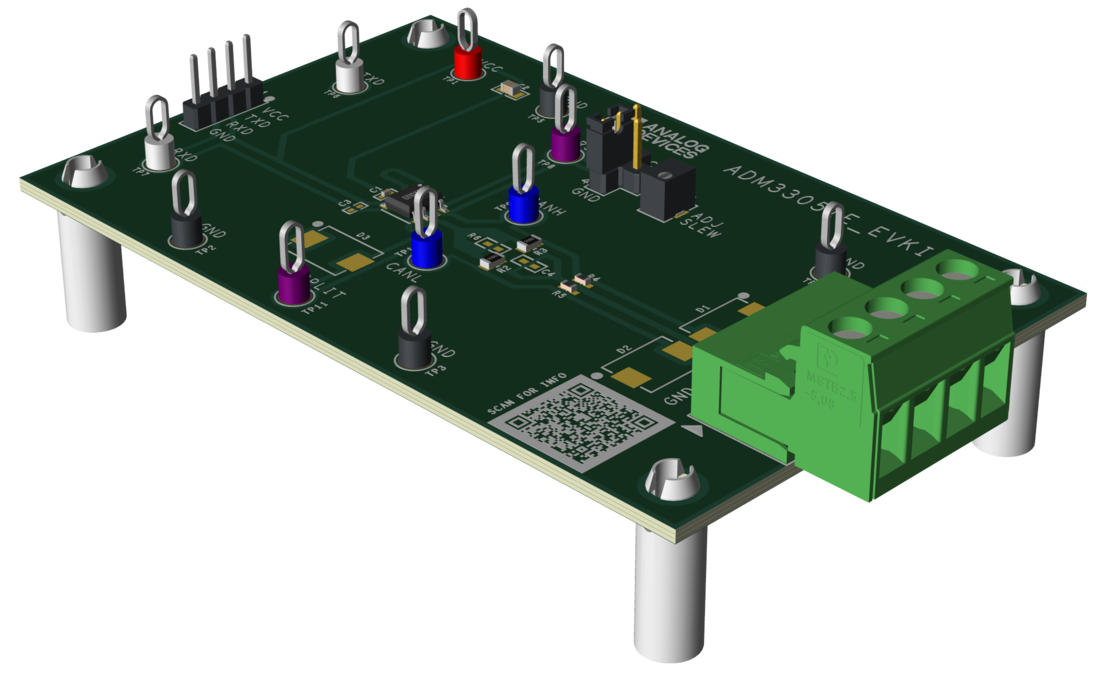
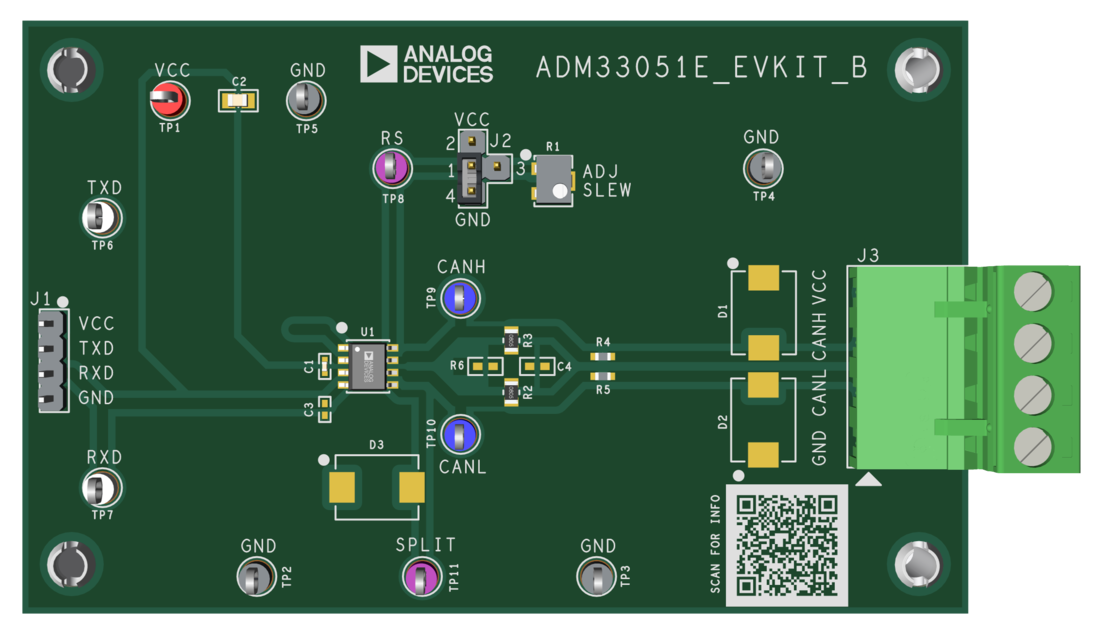
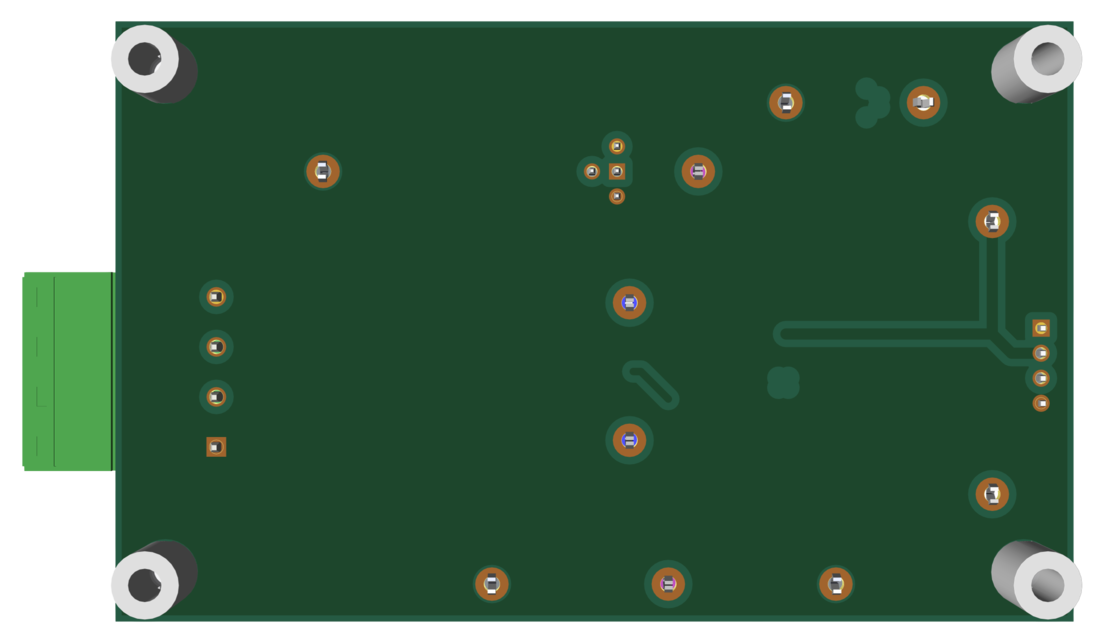
性能評価:ADM33051E
資料
最新のディスカッション
ADM33051Eに関するディスカッションはまだありません。意見を投稿しますか?
EngineerZone®でディスカッションを始める