

Hardware-in-the-Loop (HIL) / Digital Twin Solutions
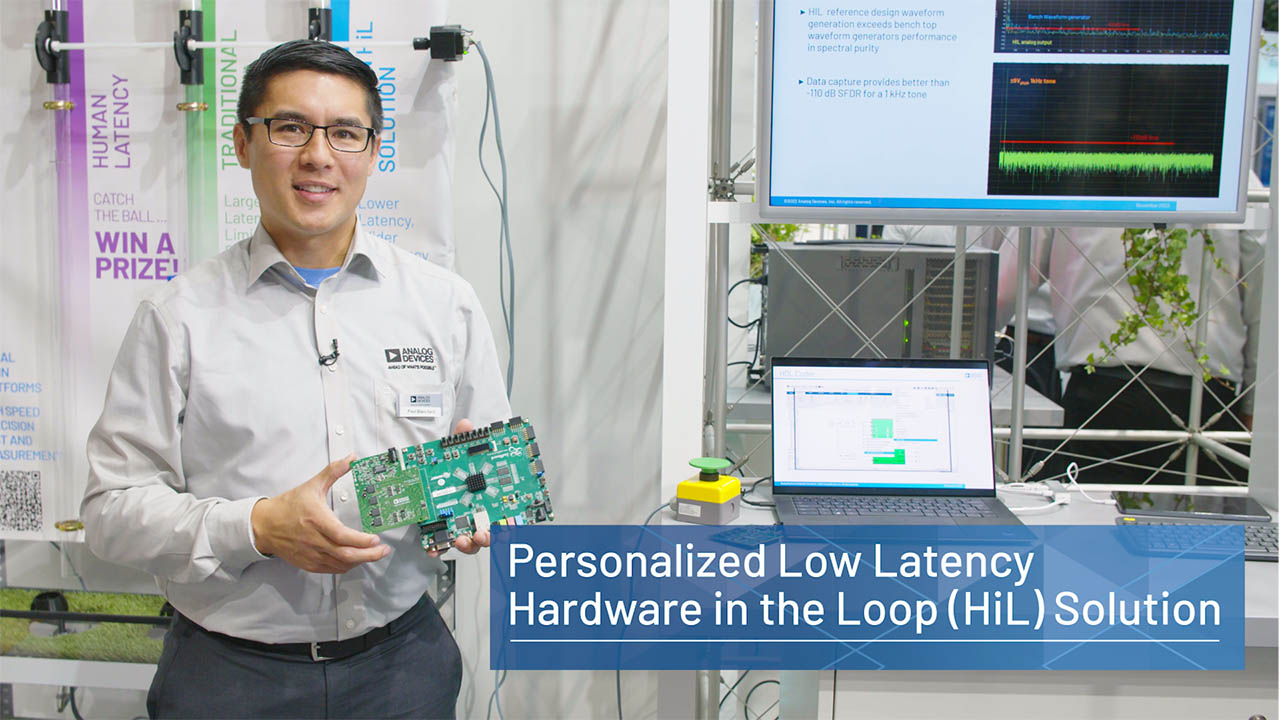
A digital twin is a fully virtual representation of a real-world physical system. It can be used to model, simulate, optimize, and design at scales that would be impractical using a standard design>prototype>test>iterate approach. Digital twins can span a wide gamut, from small things such as integrated circuits, molecules, or chemical compounds to large systems such aircrafts, factories, or even the human body. They can help reduce costs, accelerate development cycles, or enable optimization of the overall system.
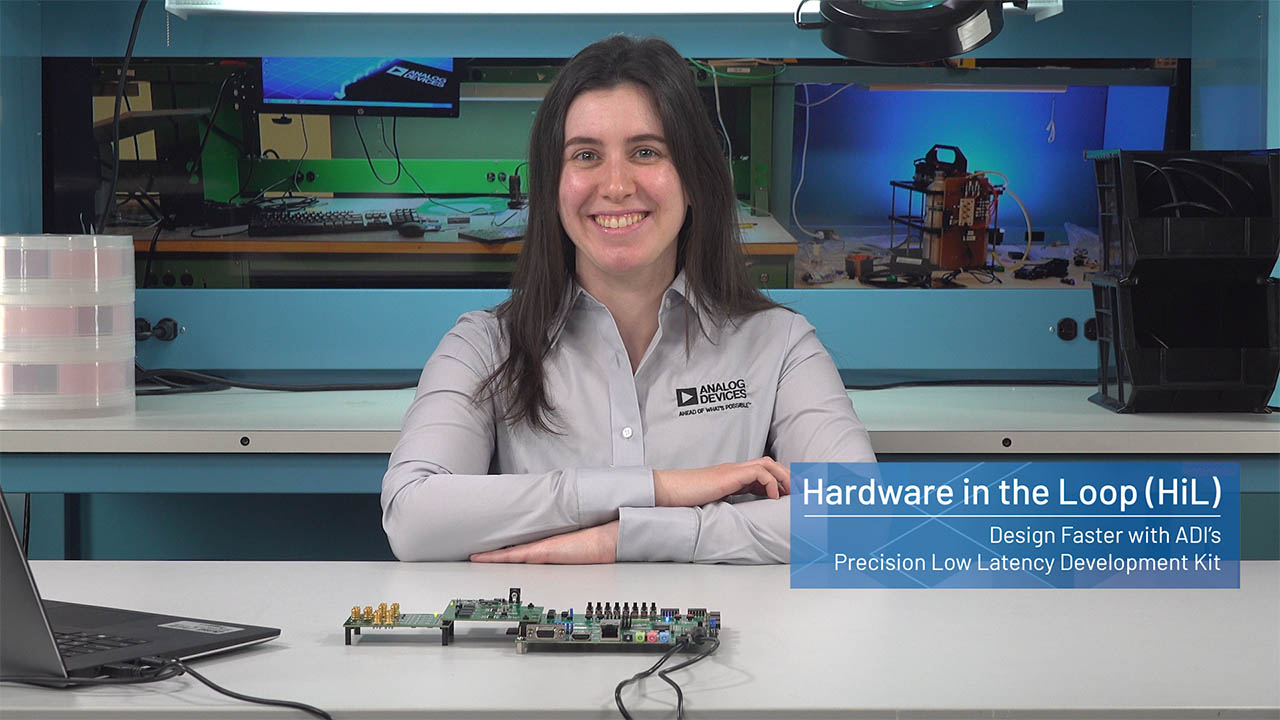
The digital twin method is suitable for a wide range of applications, including instrumentation and measurement, automotive, industrial, and energy. A digital twin can be utilized with a technique called Hardware-in-the-Loop (HIL). A HIL simulator uses hardware and software to emulate a complex system and allows a real-time interface to validate the device under test. This technique is used for testing complex real-time systems, such as electronic control units (ECUs), power steering systems, suspension systems, battery management systems or any other vehicle subsystems.

Value and Benefits
- Low-Latency Precision: Maintains minimal delay while preserving high signal accuracy.
- High-Resolution Acquisition: Enables low-noise data capture and signal generation.
- Scalable Signal Chains: Supports high channel count and compact HIL simulator designs.
Featured Products


Key Resources
Rarely Asked Questions

Informational
-
} else {
 }
}
}
}
EMC Resources

Design Tools

.svg?rev=fd385c90e2cf4716ae9a8c8d20e6b8e3&la=en&h=24&w=24&hash=A302DF48F94BAAA11877AF223F27157A)


Trainings and Tutorials




{{modalTitle}}

{{modalDescription}}
{{dropdownTitle}}

- {{defaultSelectedText}} {{#each projectNames}}
- {{name}} {{/each}} {{#if newProjectText}}
-
 {{newProjectText}}
{{/if}}
{{newProjectText}}
{{/if}}
{{newProjectTitle}}

{{projectNameErrorText}}