Using the power of innovation to impact the world around us


Signals+ ニュースレター登録
Signals+はコネクティビティ、デジタルヘルス、モビリティ、スマートインダストリーに関する最新情報をお届けします。
ありがとうございます。ご登録のメールアドレスにお送りしたメールを確認し、ニュースレター登録を完了させてください。
世界中の人々の生活に影響を与える、画期的なテクノロジーに関する最新情報をタイムリーにお届けします。
閉じる

 詳細を閉じる
ウェアラブル機器に光学動的電圧スケーリングを適用し、バッテリによる駆動時間を延長する
主なポイント
|
ウェアラブル機器は多くの魅力を備えています。しかし、内蔵バッテリを頻繁に充電しなければならないとしたら、その魅力は薄れてしまうかもしれません。では、小さなバッテリによって機器の駆動時間を延ばすにはどうすればよいのでしょうか。光学動的電圧スケーリング(Optical DVS:Optical Dynamic Voltage Scaling)を導入すれば、その可能性を高められます。この技術を適用すると、血中酸素濃度の測定などに使用されるLEDに印加する電圧を、必要以上に高い値に設定するのではなく、状況に応じて適切に調整することができます。つまり、よりスマートなエネルギー・マネージメントを実現することが可能になります。
ウェアラブル機器に潜む無駄な消費電力
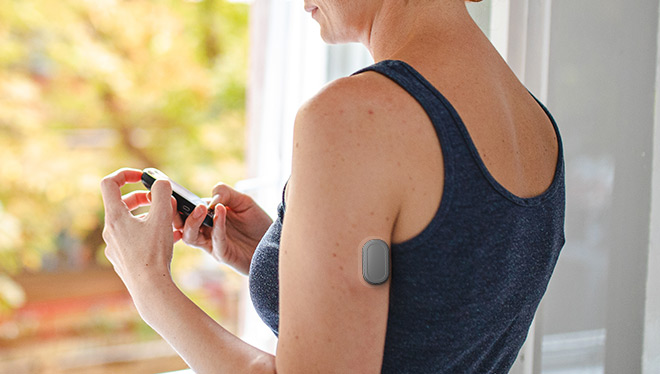
ここ10年ほどの間に、革新的なウェアラブル機器が広く使われるようになりました。その魅力を支えているのは、光電式容積脈波記録法(PPG:Photoplethysmography)という技術です。例えば、PPGの機能を備えるスマートウォッチでは、LEDを点滅させて血流からの光の反射を検出します。それにより、心拍数、血中酸素濃度(具体的には、SpO2と呼ばれる末梢毛細血管酸素飽和度)などのバイタル・サインを測定できます。最近では、この手法による継続的なモニタリング機能は標準的なものになっています。
ウェアラブル機器のメーカーは、バッテリによる駆動時間を延ばすために積極的な取り組みを行ってきました。例えば、より電力効率の高いICを採用したり、LEDに流れる電流を最小限に抑えるための適応型のアルゴリズムを適用したりといった具合です。しかし、そうした取り組みによってすべての問題が解消されたわけではありません。多くのウェアラブル機器には、依然として効率を低下させる重大な要因が存在し続けています。
ほとんどのウェアラブル機器では、最も厳しい条件を想定し、LEDを駆動する電圧を固定の値に設定しています。例えば、厳しい環境の下でもピーク時の活動量を検出できるよう、LEDの光量が最大になる条件で駆動するように設計されているということです。しかし、スマートウォッチの場合、実際にそのような厳しい条件下で動作する時間はごくわずかです。例えば、安静時の心拍数のモニタリング、睡眠のトラッキング、光量の低い周囲環境での測定といった穏やかな条件の下で使用されます。その場合、過剰な電圧マージンは有効に働くことはなく、バッテリの電力が無駄に消費されることになります。
上記のような負荷が小さい動作条件の下で、消費電流を最小限に抑えることは可能なのでしょうか。そのための技術は既に開発されています。それに対し、LEDを駆動する電圧の値を最適化する方法は具現化されていませんでした。光学動的電圧スケーリングは、この課題を解消するためのものです。この技術を使用すれば、条件に応じてリアルタイムに電圧の値を調整し、電力の浪費を抑えることができます。
ウェアラブル機器の現状
ヘルスケア向けのウェアラブル機器の市場は急速に成長しています。IDCによれば、「2025年のウェアラブル機器の出荷台数は世界全体で6億1150万台に達し、前年比9.1%の成長を記録した」といいます1。また、別の調査によれば、「ウェアラブル技術に関連する世界市場は2025年の872億米ドル(約13.7兆円)から14.7%の年平均成長率(CAGR)で拡大し、2032年には2404億米ドル(約37.9兆円)の規模に達する見込み」とされています2。ウェアラブル機器は、新たな機能が追加されることにより複雑化していきます。それにより、元々制約が大きかったバッテリの実装スペースが更に圧迫されるようになりました。最近では、リング型やパッチ型といった小さなフォーム・ファクタのウェアラブル機器も登場しています。そうした機器のバッテリのサイズは、従来のウェアラブル機器と比べて1桁小さくなっています。そのため、バッテリの限られた電力を効率良く活用することが、かつてないほど重要な課題になっています。
光学動的電圧スケーリングの役割
光学動的電圧スケーリングでは、実際の消費電流に基づいてLEDを駆動する電圧をリアルタイムに調整します。これを具現化するパワー・マネージメント手法を採用すれば、システムの無駄な設計マージンを劇的に小さくすることができます。光学動的電圧スケーリングにより、需要に応じてLEDを駆動する電圧を低下させれば、消費電力が減少し、全体的な効率が向上します。これは単なる理論上の話ではありません。また、LEDの点滅に限定される話でもありません。ウェアラブル機器の種類によっては、センサーによるサンプリングが行われたり、信号のバースト送信が間欠的に実行されたりすることがあります。それらを対象として光学動的電圧スケーリングを適用すれば、バッテリから供給される電力の量を大幅に削減できます。
毎日稼働し続けるウェアラブル機器の場合、無駄な消費電力の削減効果が積み上がることで、長期的にはバッテリによる駆動時間が数%長くなります。設計によっては、機器自体の寿命に対し、バッテリによる駆動時間を数日単位で延ばせることもあります。
光学動的電圧スケーリングの効果
光学動的電圧スケーリングは、LEDを使用する多様なアプリケーションに適用できます。そうすれば、バッテリによる駆動時間を延ばせます。LEDによる消費電力が全体の中で大きな割合を占める場合や、システム全体の消費電流の量が少ない場合には、非常に大きな効果が得られます。また、それらに準じる条件の用途においても、大きなメリットを享受できます。
例として、システム全体の消費電力のうち約20%がLEDによって消費されるケースを考えます。そのシステムは30mAの平均消費電流で動作すると仮定しましょう。その場合、以下のような効果が得られます。
- 緑色LEDを使用するアプリケーション:その代表的な例は心拍数のモニタリングであり、バッテリによる駆動時間を約5%延ばすことができます。
- 赤色/赤外線LEDを使用するアプリケーション:SpO2の検出が代表的な例であり、バッテリによる駆動時間を10%近く延ばすことが可能です。
無駄な消費電力を削減すれば、バッテリによる駆動時間が長くなります。あるいは、節約された電力を活用し、より頻繁に測定を実行することも可能です。例えば、睡眠時のSpO2をより高い頻度で測定すれば、そのモニタリング機能はより有用なものになります。
光学動的電圧スケーリングがエンジニアリングと製品戦略にもたらす意味
- 力任せではなく、効率を重視した設計:設計の早い段階で、光学動的電圧スケーリングに対応するレギュレータの採用を決定すべきです。それにより、最も厳しい条件を想定して固定値の電圧を使用する必要がなくなります。つまり、性能を損なうことなく、必要なときに必要な量の電力を供給するよう最適化を図ることが可能になります。
- バッテリとフォーム・ファクタの制約を満たすスマートな電源の設計:ウェアラブル機器の分野では、リング型、パッチ型、バンド型など、人間工学に基づいたより薄型/小型の製品が台頭しつつあります。しかし、それに応じてバッテリの容量が増加しているわけではありません。光学動的電圧スケーリングを活用すれば、より大きなバッテリを採用したり、快適さを低下させたりすることなく効率の向上を図れます。
- 競争上の優位性とユーザの確保:バッテリによる駆動時間が差別化要因になる市場では、その時間をより長く確保することが重要です。それによってエンド・ユーザの関心を得ることが可能になります。光学動的電圧スケーリングの採用は、製品のマーケティングとユーザ・エクスペリエンスの面で強力な方策になります。
光学動的電圧スケーリングがウェアラブル機器の課題をチャンスに変える
ウェアラブル機器の多機能化が進むにつれ、ユーザの期待は高まります。それら追加の機能を実現するためには、バッテリによる駆動時間が課題になります。光学動的電圧スケーリングを採用すれば、従来無駄に消費されていた電力を節約できます。つまり、同技術はウェアラブル機器が抱える課題を解決するための強力な武器になるということです。
将来のウェアラブル機器は、最も厳しい条件を前提にするという制約から解放されます。光学動的電圧スケーリングによって最適な調整を行うことで、必要な電力を過不足なく供給することが可能になるのです。

参考資料
1 IDC、Wearable Devices Market Insights(ウェアラブル機器の市場の動向)、2026年
2 Markets and Markets、Wearable Technology Market Size, Share and Trends(ウェアラブル技術の市場規模、シェア、トレンド)、2026年