

Noise, Vibration, and Harshness (NVH) Automotive Solutions
When developing new technologies such as motors or power steering, it is critical to understand how the device will respond to real-world variables like road vibrations and other harsh conditions. Unwanted sound or disruption in an electronic signal can create an audible disturbance that negatively impacts the consumer’s driving experience. Worse, unmitigated vibration can damage electrical and mechanical components over time, leading to potential catastrophic failure.
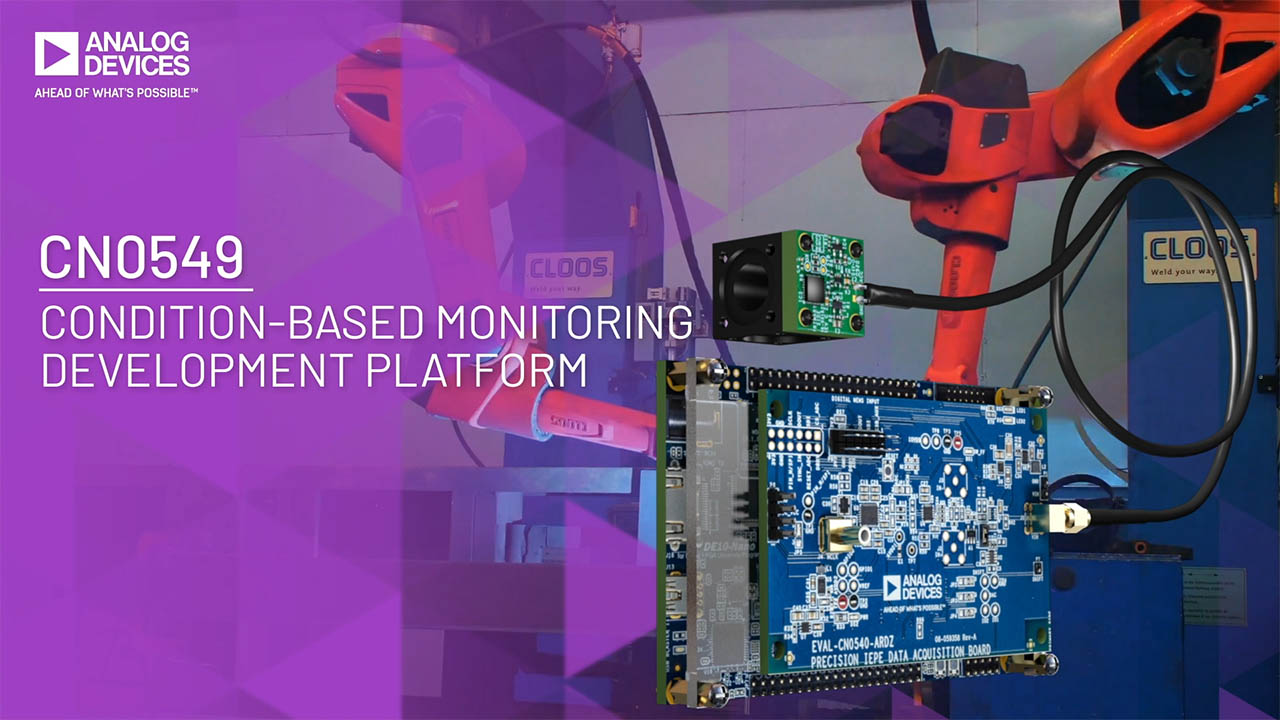
Vehicle drive testing can help address these challenges in the research and development phase so that noise reduction technologies can be implemented and validated. In contrast, condition-based monitoring (CbM) measures similar inefficiencies in motors and machinery typically for continuous monitoring after they have been deployed. NVH testing is primarily utilized during the R&D or qualification phases, whereas CbM is targeted for monitoring existing machinery in operation or for predictive maintenance.

Value and Benefits
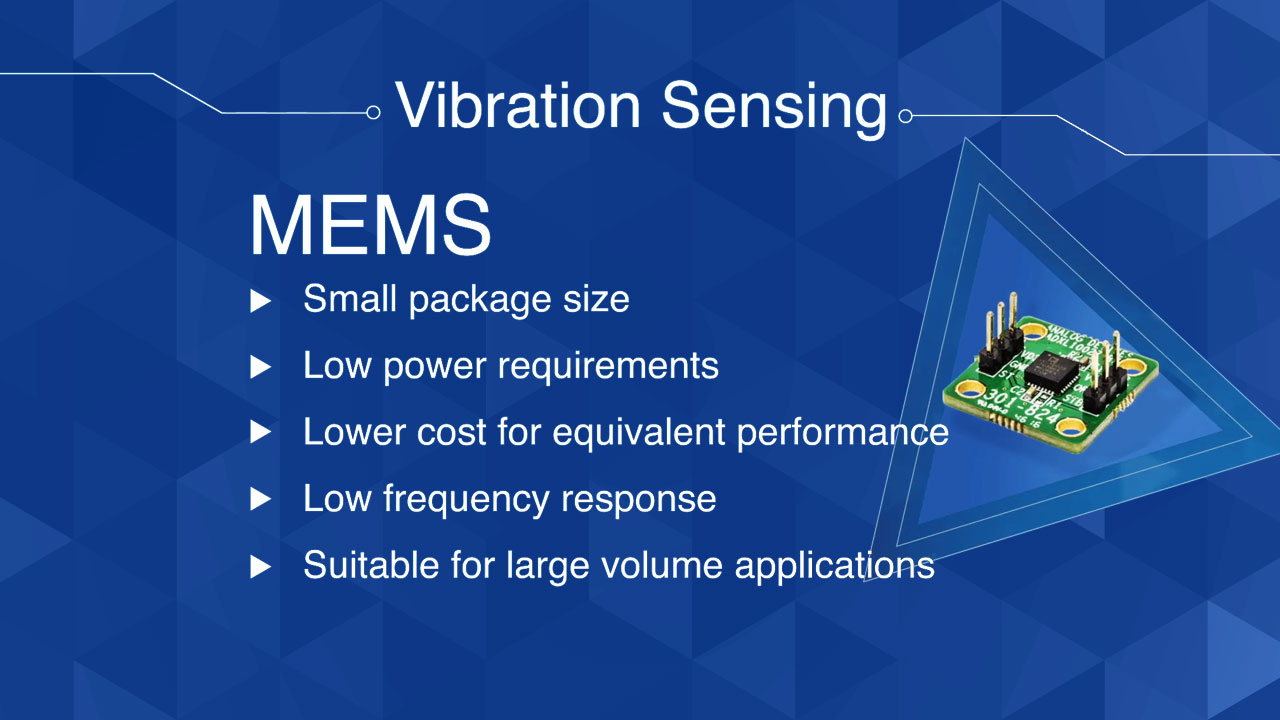
- High-Accuracy Vibration: MEMS and piezoelectric sensors enable wide bandwidth NVH analysis.
- Portable Monitoring Design: Compact, low-power solutions support flexible deployment.
- Predictive Maintenance Enablement: Sensor data supports analytics and model training.
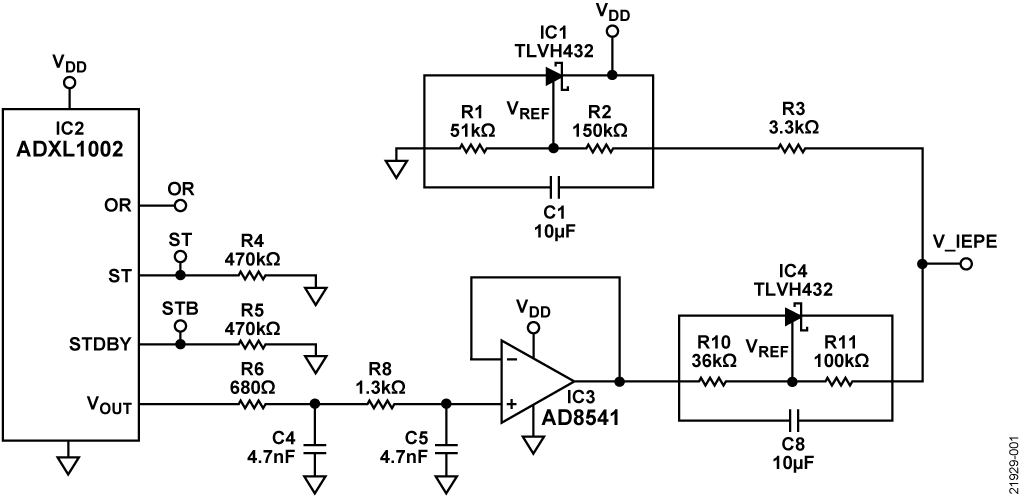
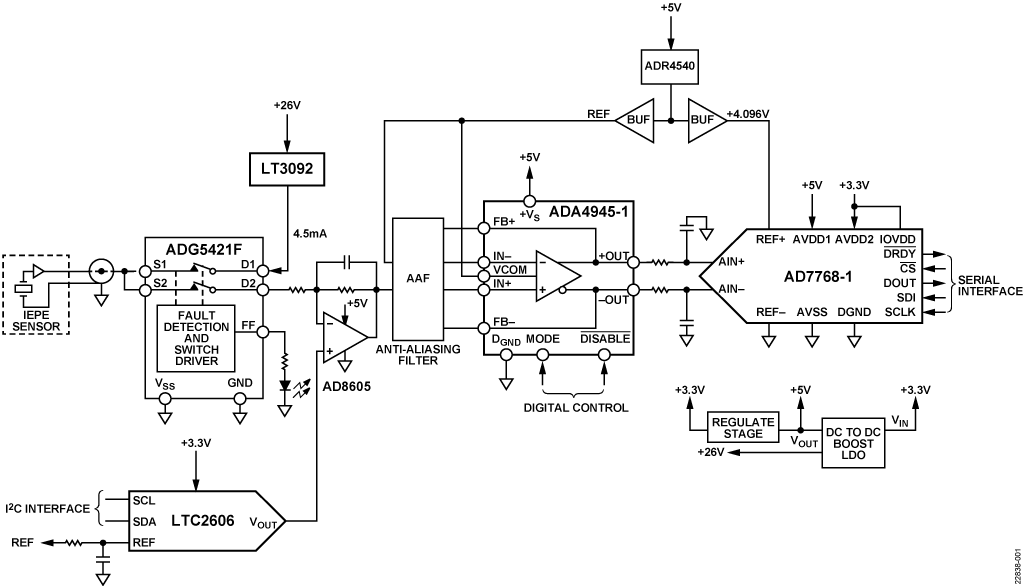
Interactive Signal Chains




Evaluation Boards

.svg?rev=fd385c90e2cf4716ae9a8c8d20e6b8e3&la=en&h=24&w=24&hash=A302DF48F94BAAA11877AF223F27157A)
Key Resources
Informational


Trainings and Tutorials





Files and Downloads
Product Selection Guide

Precision ADC Selector Guide

5.8 M
Solutions Bulletin & Brochure
Condition-Based Monitoring
1.78 M


{{modalTitle}}

{{modalDescription}}
{{dropdownTitle}}

- {{defaultSelectedText}} {{#each projectNames}}
- {{name}} {{/each}} {{#if newProjectText}}
-
 {{newProjectText}}
{{/if}}
{{newProjectText}}
{{/if}}
{{newProjectTitle}}

{{projectNameErrorText}}